
Do You Need a Canton Fair Interpreter? Costs and How It Works
A Canton Fair interpreter is quoted at RMB 400 to 800 a day for English, more for other languages. That figure is roughly half of what the day actually costs, because the fair charges separately for the badge that lets your interpreter through the turnstile: RMB 300 per day plus a one-off RMB 50, non-refundable the moment it is scanned. The rule that catches people is the other one. Only you, the overseas buyer, can apply for that badge, and the application closes two days before the date you want them there.
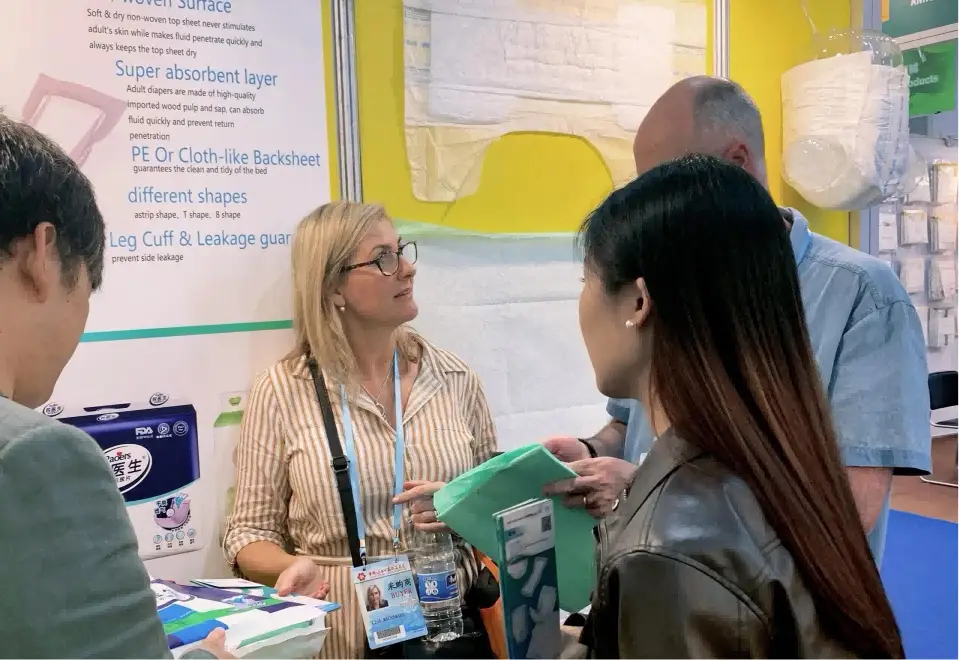
What the language barrier really costs you
The cost is rarely a misunderstanding you notice. It is the questions you stop asking. Booth staff who speak good English are usually sales people; the person who knows tooling lead times, mould ownership or why the MOQ is what it is often speaks none. So you get a clean conversation about price and a vague one about everything that decides whether the order works.
The second cost is throughput. A phase runs five days across a site of more than 1.5 million square metres with tens of thousands of exhibitors. Every booth conversation that runs twice as long is a booth you do not reach. For browsing and reading spec sheets, the phone in your pocket is fine, and during the fair the WeChat mini-program translation covers 18 languages. For anything you intend to sign, it is not.
Canton Fair translator or Canton Fair assistant: which you need
People search for a Canton Fair translator and a Canton Fair assistant as if they were the same hire. The fair treats them as two different badges, with different rules, and you may bring one of each per phase.
| Interpreter badge | Assistant badge | |
|---|---|---|
| Who qualifies | Must upload credentials: CATTI, NAETI or a language degree from a recognised Chinese university | General; no language qualification required |
| Passport limits | Not open to holders of Hong Kong, Macao or Taiwan documents, or Chinese passports | Open to them, and it is their only option |
| What they do | Language in the room: negotiation, technical questions, catching what was not said | Logistics: booth lists, samples, follow-up, factory visit coordination |
| Best for | Signing intent, negotiating terms, unfamiliar categories | Repeat buyers who know the category and need hands, not vocabulary |
Most first-time buyers over-buy interpretation and under-buy the follow-up. The fair ends and the WeChat messages start, in Chinese, from six suppliers at once. That is assistant work, and it is where deals quietly die.
Canton Fair interpreter rates and the fees behind them
| Item | Typical range |
|---|---|
| English interpreter, per day | RMB 400–800 |
| Other languages, per day | RMB 600–1,000 |
| International booking platforms, 8 hours | USD 180–230, with hourly overtime on top |
| Fair badge, charged by the organiser | RMB 300 per day, plus RMB 50 once |
| Overtime beyond 8 hours | Around 1.5 times the hourly rate |
| Factory visits outside Guangzhou | Transport and accommodation are yours to cover |
Run the arithmetic before you compare quotes. Across a five-day phase the badge alone adds RMB 1,500 and the one-off RMB 50, whatever you pay the person wearing it. An RMB 400 quote and an RMB 700 quote are much closer in total than they look, which is a reason to buy on competence rather than on the day rate.
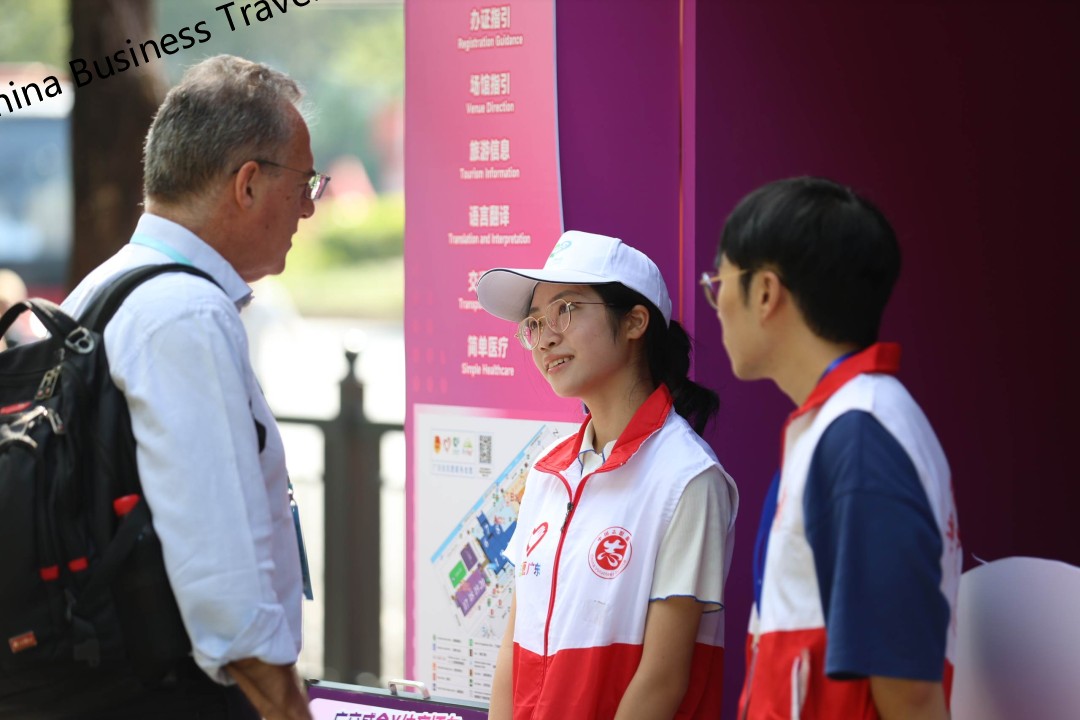
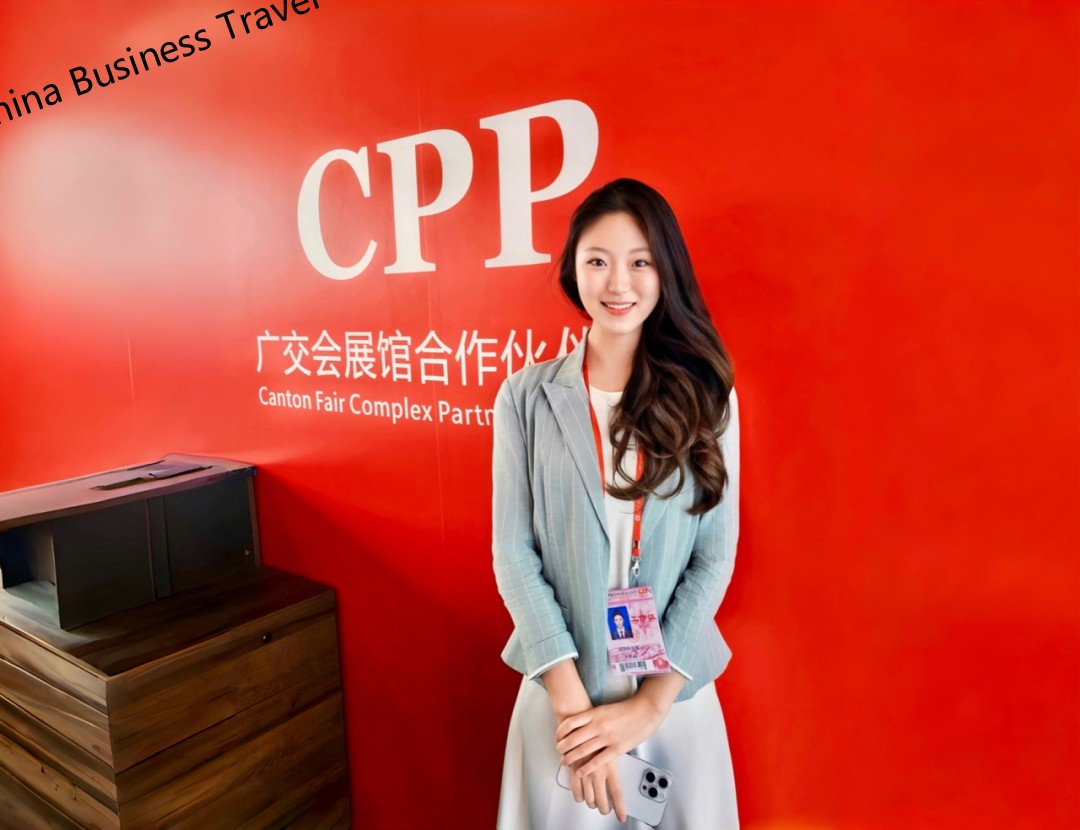
How to line up a good Canton Fair translator
Apply early, through your own account. For the spring session the assistant badge portal opened twelve days before the doors, and every application has to come from the overseas buyer on the official site. Your interpreter cannot file it themselves. The mechanics sit inside the same buyer account you used for your own badge, covered in our registration and buyer badge guide.
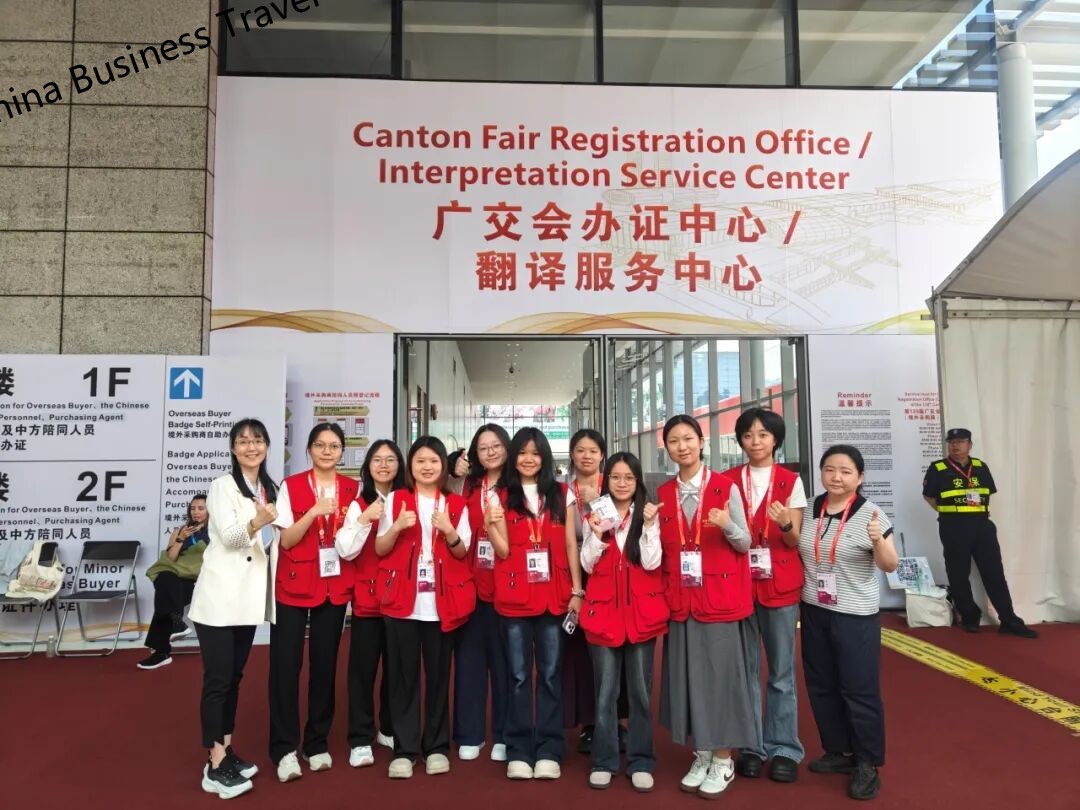
Then screen properly. Ask for the credential they will upload, because the badge requires one. Send your booth list and product vocabulary a week ahead and ask them to explain your own product back to you in English. Agree in writing that they accept no commission from suppliers, and say plainly what you do not want translated: your ceiling price, your volumes, your other appointments. Confirm which phase you need them for, since the quota resets each phase.
Booked properly
2+ days
Credentials checked, badge applied for by you, briefed on the category and your walk-away price
Hired at the door
Blocked
No badge, no entry, and a fabricated buyer relationship risks confiscation, expulsion and a permanent blacklist
Book an accompanying interpreter with us
We supply credentialed interpreters and sourcing assistants for all three phases, file the badge application from your buyer account, and stay on the follow-up after you fly home.
- CATTI or degree-qualified interpreters, briefed on your category before day one
- Badge applications filed inside the two-day deadline
- No supplier commissions, in writing
- Post-fair WeChat follow-up and sample chasing in Chinese
Frequently asked questions
How much does a Canton Fair interpreter cost?
Budget RMB 400 to 800 per day for English and RMB 600 to 1,000 for other languages, then add the organiser's badge fee of RMB 300 per day plus a one-off RMB 50. A standard day is eight hours, with overtime around 1.5 times the hourly rate, and you cover travel if you visit factories outside Guangzhou.
Can my interpreter get into the Canton Fair with me?
Only with an interpreter badge that you applied for. The overseas buyer must file the application on the official site at least two days before the intended date, and the interpreter cannot apply independently. Each buyer is limited to one interpreter and one assistant per phase.
What qualifications does a Canton Fair interpreter need?
The badge requires proof: a CATTI certificate, a NAETI certificate, or a foreign language degree from a recognised Chinese university. Ask for it while you are still choosing, not on the day you file, since the credential has to be uploaded with your application.
Do I need an interpreter or a sourcing assistant?
An interpreter handles language in negotiations; an assistant handles booth lists, samples, follow-up and factory logistics. You may bring one of each per phase. Buyers who know their category well usually get more from the assistant, while first visits to a new category are where interpretation pays for itself.
Can I just use a translation app instead?
For browsing and spec sheets, yes. Phone translation and the fair's WeChat mini-program, which covers 18 languages during the session, handle product questions well. They do not handle negotiation, where the useful information is in what a supplier hesitates over rather than in the words themselves.
New to the fair? See our Canton Fair service, or check the current badge rules on the official Canton Fair site.